

You’re often motivated to buy expensive self-improvement products because emotional triggers like hope, FOMO, or frustration override your logical judgment. These purchases promise quick fixes and boost your feelings of validation or success, making them seem necessary. High prices increase emotional attachment, creating a sense of commitment. Recognizing these shortcuts can help you avoid impulsive spending. If you want to understand how to break free from these emotional traps, keep exploring how awareness can change your approach.
Key Takeaways
- Emotional triggers like FOMO and validation drive impulsive, high-priced self-improvement purchases.
- Consumers associate higher cost with greater success or quick results, bypassing rational evaluation.
- Emotional states, such as anxiety or hope, increase susceptibility to buying as a shortcut to progress.
- Marketers leverage emotional cues to justify premium prices and enhance perceived value.
- Recognizing emotional triggers helps prevent impulsive spending and supports mindful, sustainable growth.

Many people turn to self-improvement purchases as a way to boost their personal growth and overall well-being. These purchases often promise transformation, success, or happiness, and it’s tempting to believe that spending money on these products can fast-track your progress. But have you ever wondered what really drives these decisions? It’s not just about the product itself; it’s about the emotional triggers behind your consumer behavior. When you’re feeling uncertain, frustrated, or even hopeful, you become more susceptible to buying something that promises to solve your problems or elevate your life. These emotional triggers tap into your desire for validation, success, or relief, making the purchase feel like a quick fix rather than a long-term solution.
Your decision-making process isn’t purely rational. Instead, it’s heavily influenced by how you feel at the moment of purchase. When you’re anxious about your progress or comparing yourself to others, you may see an expensive self-improvement product as a shortcut to overcoming those feelings. The marketer’s language and presentation are designed to evoke specific emotions—excitement, hope, or even fear of missing out—that push you toward buying. You might think, “This is the missing piece,” or “This will finally make a difference,” even if the product’s actual value doesn’t match those promises. It’s these emotional cues that shape your consumer behavior, overriding your logical judgment.
Emotional triggers often override logic, prompting impulsive purchases of self-improvement products promising quick fixes.
Moreover, the high price tag can amplify these emotional triggers. Paying more creates a sense of commitment, making it feel more significant and, in some cases, more effective. You might believe that if you’ve invested a lot, you’ll be more motivated to follow through on the program or use the product regularly. This is a psychological effect called the “sunk cost fallacy,” where you associate higher spending with higher stakes, fueling your motivation. Traditional Indonesian masks exemplify craftsmanship that often justifies higher prices due to their cultural significance and artistry, which can influence perceptions of value. Unfortunately, this can also lead to buyer’s remorse once the initial excitement wears off, especially if the product doesn’t deliver the promised results. Recognizing the importance of contrast ratio in visual experiences can help you better understand how perceived value influences your purchasing decisions.
Understanding these underlying emotional triggers helps you become a more mindful consumer. Recognizing when your feelings are influencing your buying decisions allows you to pause and evaluate whether the purchase is truly necessary or just an attempt to fill an emotional void. Recognizing the role of emotional triggers in your consumer behavior can help you develop healthier habits and avoid impulsive spending. Instead of relying on expensive self-improvement products as a shortcut, it’s often more effective to develop habits, seek support, and practice patience. Your personal growth isn’t about quick fixes; it’s about consistent effort and emotional resilience. Being aware of the emotional triggers behind your consumer behavior empowers you to make smarter choices and avoid falling into the trap of pricey, ineffective solutions.

App Riches: Meditation Boom 2026: Subscription Dynamics in Digital Wellness Markets
As an affiliate, we earn on qualifying purchases.
As an affiliate, we earn on qualifying purchases.
Frequently Asked Questions
How Do Emotions Influence Our Spending Habits on Self-Improvement?
Your emotions drive your spending habits on self-improvement by creating a sense of urgency or hope, often bypassing rational evaluation. When you’re emotionally aware, you recognize these impulses and make more mindful choices, rather than impulsively purchasing. Emotions can make you believe that a costly investment will solve your problems, but understanding this link helps you evaluate expenses more objectively and avoid unnecessary or impulsive purchases.
Can Emotional Triggers Lead to Impulsive Expensive Purchases?
Yes, emotional triggers can definitely lead you to impulsive buying, especially when you’re feeling down or seeking validation. These triggers activate impulse buying, pushing you to make expensive purchases without much thought. When emotions like stress, loneliness, or excitement take over, you might overlook rational decisions and chase quick relief through shopping. Recognizing these emotional triggers helps you pause, assess your motivations, and avoid costly impulsive buys.
What Psychological Factors Drive the Desire for Luxury Self-Improvement Items?
Imagine buying a high-end coaching program, feeling it boosts your self-worth perception. Luxury branding plays a big role, making you believe the expensive item signifies success and value. You’re driven by psychological factors like the desire for social status and self-identity reinforcement. These triggers make you associate premium self-improvement products with personal growth, leading to that compelling urge to invest, even when it stretches your budget.
How Can One Differentiate Between Genuine Need and Emotional Impulse?
To differentiate between genuine need and emotional impulse, practice mindful awareness by pausing before making a purchase. Ask yourself if it truly aligns with your goals or if you’re driven by fleeting emotions. Incorporate financial planning to evaluate if the expense fits your budget without guilt. By staying aware of your motives and managing your finances wisely, you can make more intentional choices and avoid unnecessary, emotionally driven spending.
Are There Ways to Curb Emotional Spending on Self-Improvement Products?
Yes, you can curb emotional spending by practicing mindful budgeting and sharpening your emotional awareness. Start by pausing before each purchase—ask yourself if it’s truly needed or driven by impulse. Track your spending habits, recognizing emotional triggers that lead to splurging. Over time, this awareness helps you make conscious choices, turning impulsive buys into intentional investments, and ultimately breaking the cycle of emotional spending on self-improvement products.

INSIDE THEN OUT Better Every Day Journal – Guided Daily Journal with 365 Pre-Dated Prompts for Self Love, Reflection, Growth, Gratitude, Wellness, and Healing – Self Care Routine Gift for Women Men
- Guided Daily Prompts: 365 prompts for self-love and growth
- Pre-Dated Pages: Start anytime, any year
- Multiple Journaling Themes: Self-awareness, relationships, goals
As an affiliate, we earn on qualifying purchases.
As an affiliate, we earn on qualifying purchases.
Conclusion
So, next time you’re tempted to splurge on that shiny gadget or luxury class, ask yourself: are you truly investing in growth, or just chasing a fleeting emotional high? These purchases often serve as quick fixes for deeper insecurities, offering temporary relief rather than lasting change. Imagine the lasting confidence you’d build if you redirected that money towards genuine self-improvement. Isn’t it time to look beyond the surface and nurture your true potential?
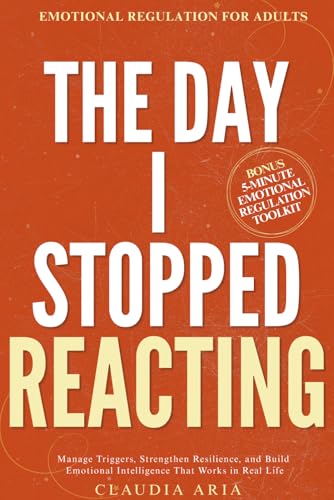
The Day I Stopped Reacting: Emotional Regulation for Adults To Manage Triggers, Strengthen Resilience, and Build Emotional Intelligence That Works in Real Life (The Rising Empaths)
As an affiliate, we earn on qualifying purchases.
As an affiliate, we earn on qualifying purchases.

Vision Board Book; Your Ultimate Guide to Goal Setting, Visualization, and Achieving Dreams: Manifest your vision Workbook for Empowered Women
As an affiliate, we earn on qualifying purchases.
As an affiliate, we earn on qualifying purchases.