
Understanding your emotional stability through the 16PF helps you see how your personality traits influence your resilience and mood regulation. High scores in emotional stability mean you’re calmer under stress, while lower scores may indicate mood swings or anxiety. Recognizing these patterns allows you to develop targeted strategies, like mindfulness or self-awareness, to boost resilience. By exploring your profile further, you’ll gain valuable insights into managing emotions better and facing challenges with greater confidence.
Key Takeaways
- The 16PF assesses primary personality traits, including emotional stability, indicating how calmly an individual handles stress.
- High scores in emotional stability suggest strong mood regulation and resilience to emotional upheavals.
- Low scores may reveal tendencies toward anxiety, mood swings, or emotional volatility, impacting resilience.
- Understanding one’s 16PF profile helps tailor strategies to enhance emotional regulation and resilience.
- Developing awareness of these traits supports better stress management and overall emotional well-being.

Have you ever wondered what makes some people remain calm and resilient amid life’s challenges? It often comes down to their personality resilience—the ability to bounce back from setbacks and adapt to stress without losing their composure. This trait isn’t just about mental toughness; it’s closely tied to how effectively someone manages their mood regulation. When your mood is well-regulated, you’re better equipped to handle emotional upheavals without letting negative feelings take over.
Understanding emotional stability through the 16PF (Sixteen Personality Factor Questionnaire) offers valuable insights into these traits. The 16PF breaks down personality into 16 primary factors, including traits that influence how resilient and emotionally balanced you are. For example, high scores in emotional stability indicate a person who tends to remain calm under pressure, while lower scores suggest a tendency toward anxiety or mood swings. Recognizing where you stand on this spectrum can help you identify your strengths and areas for growth in managing emotional responses. Additionally, research shows that personality traits are influenced by both innate tendencies and environmental factors, highlighting the importance of self-awareness and personal development.
Your personality resilience is shaped by a combination of innate tendencies and learned behaviors. If you score high in traits like emotional stability, you naturally tend to regulate your mood well, staying composed even when faced with adversity. Conversely, if your scores suggest a tendency toward emotional volatility, you might find it harder to maintain your equilibrium during stressful moments. But the good news is that personality resilience isn’t fixed—it’s something you can develop through conscious effort and self-awareness. Understanding your 16PF profile allows you to tailor strategies that bolster your emotional stability, like mindfulness or cognitive restructuring, which can enhance your emotional regulation skills.
Additionally, incorporating landscaping and outdoor features can help create a calming environment that supports emotional well-being and stress reduction. Mood regulation plays a critical role in this process. When you can effectively control your emotional responses, you reduce the likelihood of overreacting or feeling overwhelmed. This, in turn, enhances your overall emotional stability. The 16PF provides a framework to identify patterns in your mood regulation tendencies, offering a clearer picture of how you handle emotional stress. Recognizing these patterns empowers you to implement practical changes, such as developing healthier coping mechanisms or strengthening your support systems.
In essence, understanding emotional stability through the 16PF helps you see that resilience isn’t just about enduring hardship; it’s about proactively managing your emotional landscape. By gaining insight into your personality resilience and mood regulation capacities, you can cultivate a more balanced, resilient approach to life’s inevitable ups and downs. This knowledge becomes a powerful tool, guiding you toward greater emotional well-being and a more resilient outlook in the face of whatever challenges come your way.
mindfulness meditation for emotional stability
As an affiliate, we earn on qualifying purchases.
As an affiliate, we earn on qualifying purchases.
Frequently Asked Questions
How Does Emotional Stability Influence Workplace Relationships?
Your emotional stability greatly impacts workplace relationships by fostering workplace harmony and effective conflict management. When you’re emotionally stable, you’re more likely to stay calm under pressure, listen empathetically, and respond thoughtfully. This helps prevent conflicts from escalating and promotes a positive environment. Your ability to manage emotions influences how colleagues perceive you, making collaboration smoother and building trust, which ultimately enhances overall team dynamics and productivity.
Can Emotional Stability Be Improved Over Time?
Surprisingly, yes, emotional stability can be improved over time. Ironically, the more you try to keep your cool, the better you get at it. Focusing on building emotional resilience and practicing stress management techniques helps you handle life’s chaos. With patience and effort, you’ll find yourself calmer, more balanced—transforming stress into strength. Over time, your emotional stability becomes a natural part of who you are, not just a fleeting moment.
What Are Common Signs of Emotional Instability?
You might notice signs of emotional instability like frequent mood swings and impulsive behavior. These fluctuations can make it hard to stay consistent in your reactions and decisions. You may feel overwhelmed or easily frustrated, and your impulses might lead to risky choices. Recognizing these signs helps you understand your emotional state better, so you can seek strategies or support to improve stability and manage your emotions more effectively.
How Does the 16PF Measure Emotional Stability?
The 16PF measures emotional stability by evaluating personality traits related to emotional regulation and resilience. It assesses how you respond to stress, control impulses, and maintain composure under pressure. By analyzing specific scales, it identifies tendencies towards calmness or mood swings, helping you understand your emotional stability. This insight allows you to develop better coping strategies and improve your overall emotional well-being.
Is Emotional Stability Linked to Mental Health Conditions?
Yes, emotional stability is linked to mental health conditions, though you’d think it’s as straightforward as a personality quiz. You see, emotional resilience and personality consistency play essential roles—those who score high tend to weather storms better. When emotional stability falters, mental health issues like anxiety or depression often follow. So, keeping that stability intact isn’t just about peace of mind; it’s a key to mental well-being.
stress relief products for anxiety
As an affiliate, we earn on qualifying purchases.
As an affiliate, we earn on qualifying purchases.
Conclusion
By understanding emotional stability through the 16PF lens, you gain insight into how you respond under pressure. Imagine Sarah, who, after taking the assessment, realizes her tendency to stay calm during stressful projects. Recognizing this trait helps her leverage her strengths and manage challenges better. When you grasp your emotional stability, you empower yourself to navigate life’s ups and downs with confidence, turning self-awareness into a tool for growth and resilience.
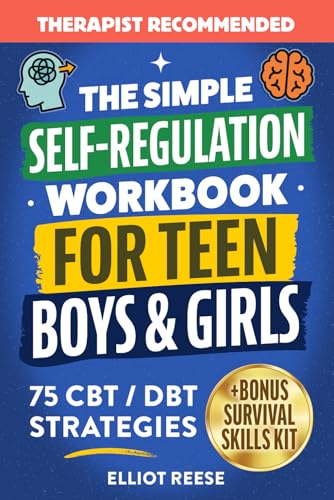
The Simple Self-Regulation Workbook for Teen Boys & Girls: 75 CBT & DBT Strategies to Improve Emotional Intelligence, Manage Stress, Boost Focus, and Build Confidence, Self-Control, and Resilience
As an affiliate, we earn on qualifying purchases.
As an affiliate, we earn on qualifying purchases.
self-awareness journal for mood regulation
As an affiliate, we earn on qualifying purchases.
As an affiliate, we earn on qualifying purchases.