Zero Trust architectures require you to verify every user, device, and network segment continuously, rather than trusting them by default. You’ll implement strict access controls, deploy multi-factor authentication, and segment networks to limit lateral movement. This layered approach minimizes risks and adapts to evolving threats. Embracing Zero Trust means shifting to a security mindset that emphasizes ongoing verification and dynamic protections. Keep exploring to discover how you can apply these principles effectively across your organization.
Key Takeaways
- Zero Trust shifts security from implicit trust to continuous verification of user and device identities.
- It emphasizes network segmentation to contain threats and prevent lateral movement within the infrastructure.
- Multi-factor authentication and adaptive checks are central to verifying user identities repeatedly.
- A layered defense approach combines authentication, segmentation, and monitoring for robust protection.
- Adoption requires a cultural shift towards ongoing trust assessment and integrating technology with organizational policies.

Have you ever wondered how organizations can protect their digital assets in an era of increasing cyber threats? The answer lies in adopting a Zero Trust architecture, which fundamentally shifts how you approach security. Instead of trusting anyone or anything inside your network by default, Zero Trust insists on strict verification every time someone or something tries to access your systems. This approach minimizes the risk of breaches and limits the potential damage if an attacker manages to infiltrate your environment.
Central to Zero Trust is the concept of user authentication. You don’t simply rely on a single password or a one-time login to verify someone’s identity. Instead, you implement multi-factor authentication, continuous verification, and risk-based access controls. When a user attempts to access sensitive data or systems, you verify their identity through multiple layers—such as biometric checks, security tokens, or behavioral analytics. This ongoing verification process ensures that only authorized individuals gain access and that their permissions are appropriate for their current context. User authentication under Zero Trust isn’t a one-and-done process; it’s a continuous, adaptive effort that substantially reduces the chance of unauthorized access.
Zero Trust user authentication involves multi-factor, continuous, and adaptive verification to ensure only authorized, context-aware access.
Alongside robust user authentication, network segmentation plays an essential role in strengthening your security posture. You break your network into smaller, isolated segments, each protected by its own security controls. This way, even if an attacker gains access to one part of your network, they can’t freely move laterally to other segments. For example, your finance department’s data is separated from the HR systems, preventing a breach in one area from spreading across your entire infrastructure. Network segmentation limits the attack surface and contains threats, making it easier to detect and respond to suspicious activities before they escalate.
By combining strict user authentication with strategic network segmentation, you create multiple hurdles for potential attackers. Instead of a single security barrier, you set up a layered defense that demands verification at every stage. This approach not only helps prevent breaches but also reduces the impact of any compromises that do occur. Implementing Zero Trust isn’t just about technology; it’s a mindset that demands continuous evaluation of trust levels and access permissions. It pushes you to stay vigilant, adapt to emerging threats, and always verify identities and devices before granting access. Additionally, understanding the importance of projector technology can help organizations visualize and communicate security concepts more effectively.
In today’s digital landscape, adopting Zero Trust principles like rigorous user authentication and network segmentation is crucial. It transforms your security model from reactive to proactive, ensuring your organization’s assets stay protected against evolving cyber threats. This way, you can operate with confidence, knowing that every access point is scrutinized and secured.
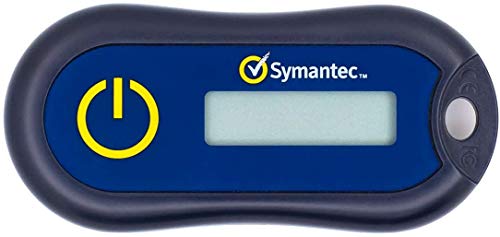
Symantec VIP Hardware Authenticator – OTP One Time Password Display Token – Two Factor Authentication – Time Based TOTP – Key Chain Size
Standard OATH compliant TOTP token (time based)
As an affiliate, we earn on qualifying purchases.
As an affiliate, we earn on qualifying purchases.
Frequently Asked Questions
How Does Zero Trust Differ From Traditional Security Models?
You see that Zero Trust differs from traditional security models because it doesn’t assume anyone inside your network is trustworthy. Instead, you implement strict network segmentation and access controls, verifying every user and device before granting access. Unlike traditional models, which rely on perimeter defenses, Zero Trust continuously monitors and enforces security, reducing risks and limiting potential damage if an attacker breaches your defenses.
What Industries Benefit Most From Implementing Zero Trust Architectures?
You’ll find finance and healthcare industries benefit most from zero trust architectures. These sectors handle highly sensitive financial data and healthcare compliance requirements, where strict security safeguards safeguard sensitive information. Zero trust transforms traditional trust models, tightening access controls, and continuously verifying users. By implementing zero trust, you protect your organization against threats, ensuring data integrity and compliance, while creating a secure environment where trust is earned, not assumed.
What Are Common Challenges Faced During Zero Trust Adoption?
You might face challenges like managing user access and ensuring policy enforcement across diverse systems. Implementing zero trust requires constantly verifying user identities and adapting policies, which can be complex and time-consuming. Additionally, integrating new tools with existing infrastructure often causes friction. You need to train staff, update security protocols, and monitor access continuously to prevent gaps. Overcoming these hurdles is essential for a successful zero trust adoption.
How Does Zero Trust Impact User Experience and Productivity?
Ironically, zero trust can seem to slow you down, but it actually aims for seamless access, enhancing your experience. By prioritizing user-centric design, it minimizes friction while maintaining security. You’ll find that productivity increases because access is more controlled yet smooth, reducing delays and frustrations. Although it might feel restrictive at first, adopting zero trust ultimately empowers you with secure, effortless navigation across resources, boosting efficiency without compromising safety.
What Tools and Technologies Are Essential for Zero Trust Implementation?
To implement Zero Trust effectively, you need tools that focus on identity verification and network segmentation. Use multi-factor authentication and single sign-on solutions to guarantee secure identity verification. Network segmentation tools help you isolate sensitive data and limit lateral movement. Additionally, employ continuous monitoring and access management platforms to enforce policies dynamically. These technologies work together to create a robust security framework that minimizes risks and controls access precisely.

EGSMTPC Firewall Mini PC Router J6412 | 6-Port 2.5GbE Network | 8GB RAM + 128GB SSD | Support pfSense/OPNsense | Home & Small Business Network Security
【CPU Designed for Firewall Mini PCs】This Firewall Mini PC is powered by Intel J6412, delivering ultra-low 10W power…
As an affiliate, we earn on qualifying purchases.
As an affiliate, we earn on qualifying purchases.
Conclusion
So, embrace Zero Trust like locking every door in your digital mansion—because trusting anyone inside is so last century. Think of your network as a fortress guarded by invisible ninjas, ready to pounce on any suspicious move. Remember, in the world of Zero Trust, everyone’s a suspect—except, of course, your favorite coffee machine. Adopt these principles, and watch your security become as unbreakable as a chocolate teapot—sweet but utterly useless against real threats.

Thetis BIOFP Plus FIDO2 Fingerprint Security Key Hardware Passkey with USB Type C/Biometric/FIDO Certified, 2FA / MFA Authenticator App Device, Works for Window, macOS, Linux, Gmail, Github
FIDO2 Certified Passkey Authentication: Officially FIDO2 certified for secure, passwordless login on supported platforms. Use modern passkeys with…
As an affiliate, we earn on qualifying purchases.
As an affiliate, we earn on qualifying purchases.
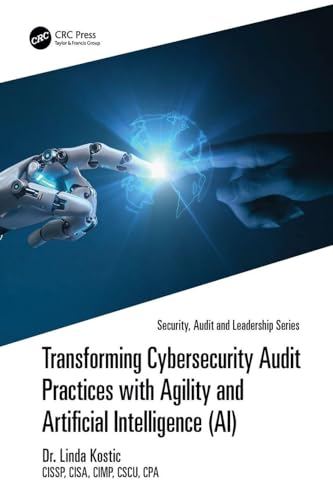
Transforming Cybersecurity Audit Practices with Agility and Artificial Intelligence (AI) (Security, Audit and Leadership Series)
As an affiliate, we earn on qualifying purchases.
As an affiliate, we earn on qualifying purchases.