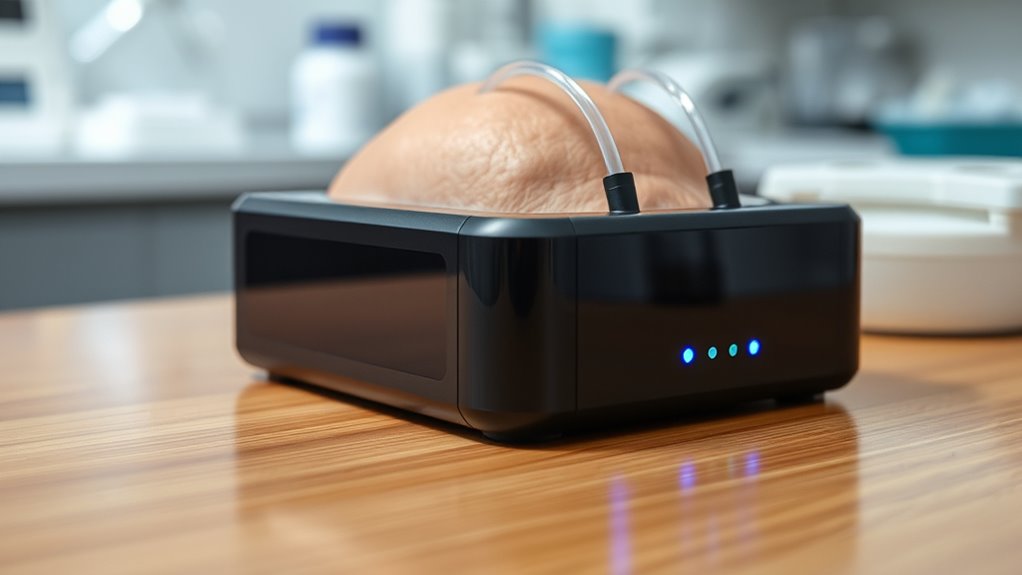

Transcranial direct current stimulation (tDCS) devices are portable, non-invasive tools that deliver gentle electrical currents through small scalp electrodes to influence your brain activity. They help enhance neural plasticity, which can improve memory, attention, and recovery from brain injuries. By properly placing electrodes and adjusting settings, you can use tDCS safely and effectively. To discover how this technology works and how you might benefit, keep exploring below.
Key Takeaways
- tDCS devices are portable tools that deliver low-intensity electrical currents to specific brain areas via scalp electrodes.
- They modulate neuronal activity to promote neuroplasticity, aiding learning, memory, and recovery processes.
- Typical use involves 1-2 milliamp currents for 10-20 minutes, often combined with cognitive tasks or rest.
- Proper placement, settings, and professional guidance ensure safety and maximize effectiveness.
- tDCS is a supportive tool that enhances brain function but does not replace traditional cognitive training methods.

Transcranial Direct Current Stimulation (tDCS) devices are portable tools that deliver low-intensity electrical currents to specific areas of your brain. This non-invasive technology has gained popularity for its potential to influence brain function, particularly by enhancing neuroplasticity and improving cognitive performance. When you use a tDCS device, tiny electrodes are placed on your scalp, and a gentle, steady current flows through targeted brain regions. This current can modulate neuronal activity, either exciting or inhibiting neurons, depending on the stimulation parameters. The goal is to create a conducive environment for your brain to reorganize itself, which is central to neuroplasticity enhancement.
By boosting neuroplasticity, tDCS can help your brain form new connections more efficiently. This process is vital for learning new skills, recovering from injury, or adapting to changing circumstances. When your brain’s plasticity is heightened, you’re more likely to retain information, develop new strategies, and improve overall cognitive performance. Many users find that regular tDCS sessions can lead to noticeable improvements in memory, attention, and problem-solving abilities. These benefits stem from the device’s ability to facilitate synaptic plasticity, making your neural networks more adaptable and responsive.
Boost neuroplasticity to enhance learning, recovery, and cognitive performance through more adaptable and responsive neural connections.
Using a tDCS device is straightforward, but it requires some understanding of proper placement and settings to maximize benefits safely. You typically start with low current intensities, around 1-2 milliamps, and adjust based on comfort and response. The duration of each session varies but usually lasts between 10 to 20 minutes. During this time, you might be engaged in a cognitive task or simply resting, depending on your goals. Consistent use over days or weeks often results in more significant improvements, especially when combined with other cognitive training methods.
While tDCS is generally safe when used correctly, it’s essential to follow guidelines and consult with a healthcare professional if you have underlying health conditions. It’s not a magic bullet, but rather a tool that can support your brain’s natural capacity to adapt and grow. By enhancing neuroplasticity, tDCS helps you access your brain’s potential, making it a promising device for boosting cognitive performance. Whether you’re aiming to sharpen your focus, learn new skills faster, or recover from cognitive deficits, this technology offers a practical way to support your mental agility.

Nootropic Brain Supplement for Memory and Focus Enhancement – Vitamins for Brain Mental Health & Clarity – Cognitive Health Complex for Mind's Vitality & Mental Alert – 60 Count
Potent brain vitamins – Try our nootropics brain support supplement packed with memory vitamins for men and women…
As an affiliate, we earn on qualifying purchases.
As an affiliate, we earn on qualifying purchases.
Frequently Asked Questions
Can Tdcs Devices Be Used at Home Safely?
You can use tDCS devices at home, but you need to prioritize home safety and follow device regulation guidelines. Always consult a healthcare professional before starting, verify the device is approved by relevant authorities, and follow the manufacturer’s instructions carefully. Avoid using the device improperly or for extended periods, as this can pose risks. Proper education and supervision are essential for safe, effective home use.
How Long Are Typical Tdcs Treatment Sessions?
Oh, because longer sessions magically mean better results, right? Typically, your tDCS treatment sessions last about 20 to 30 minutes, which is enough to make a difference without overdoing it. Treatment frequency varies depending on your goals, often scheduled a few times a week. Remember, longer isn’t always better, so sticking to recommended session durations and schedules helps guarantee safety and effectiveness.
Are There Any Long-Term Side Effects of Tdcs?
Long-term side effects of tDCS are rare, but some users report changes in neuroplasticity effects and cognitive enhancement over time. You might experience temporary headaches, skin irritation, or fatigue, but serious issues are uncommon. It is crucial to use tDCS responsibly, as prolonged or improper use could potentially influence brain function in unpredictable ways, so consulting a professional before long-term use is highly advisable.
What Are the Differences Between Commercial and Medical-Grade Tdcs Devices?
Think of commercial and medical-grade tDCS devices as two sides of the same coin, yet one’s more polished. Medical-grade devices meet strict regulatory standards, ensuring device safety and consistent performance. Commercial devices often lack these rigorous standards, which could compromise safety and effectiveness. When choosing, consider regulation and safety; the medical-grade options are designed with your well-being in mind, making them the smarter, safer choice.
Is Professional Supervision Necessary for Tdcs Use?
Yes, you should have professional supervision when using tDCS. Safety protocols require monitoring by a practitioner with expertise to guarantee proper electrode placement and current intensity. This minimizes risks like skin irritation or unintended effects. A trained professional can tailor the treatment to your needs, monitor your response, and intervene if issues arise, making supervised use much safer and more effective.
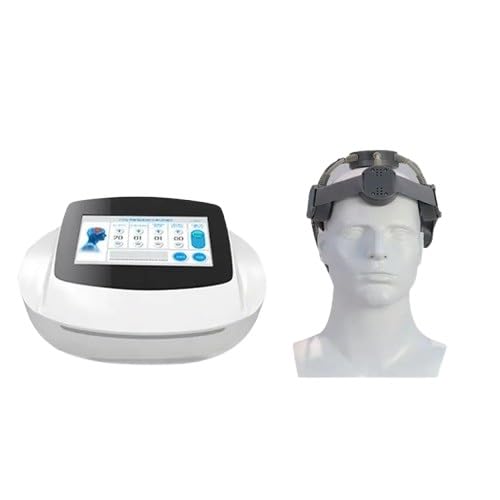
Repetitive Transcranial Magnet Stimulate Device
Each treatment takes 20 minutes or 30 minutes;
As an affiliate, we earn on qualifying purchases.
As an affiliate, we earn on qualifying purchases.
Conclusion
Now that you understand how tDCS devices work, you can see their potential to boost brain function safely. For example, imagine using a tDCS device to help a student improve focus during exams. While promising, always consult a professional before trying it yourself. With ongoing research, these devices could soon become common tools for enhancing cognitive health—just stay informed and cautious as you explore their possibilities.

Soft Touch Portable Stimulation Device with Ergonomic Design for Comfort and Relaxation NE06526
– Ergonomically designed for maximum comfort during use
As an affiliate, we earn on qualifying purchases.
As an affiliate, we earn on qualifying purchases.